
Anesthesia is one of the most common and, at the same time, most misunderstood phenomena in medicine. We break down what actually happens to the brain under anesthesia, why people fear they won't wake up, and what modern science has to say about it.
What Anesthesia Is from a Medical Perspective
Anesthesia is an artificially induced and fully controlled state in which a patient temporarily loses consciousness, feels no pain, forms no memories of what is happening, and experiences complete muscle relaxation. Protective reflexes are suppressed in the process, allowing surgeons to perform procedures without pain or stress to the patient.
The state is achieved through a carefully selected combination of medications and is maintained under the continuous supervision of an anesthesiologist.
One thing is critically important to understand: anesthesia is neither sleep nor a coma. It is a distinct physiological state that does not occur naturally and exists only under medical management.
How Anesthesia Affects the Brain
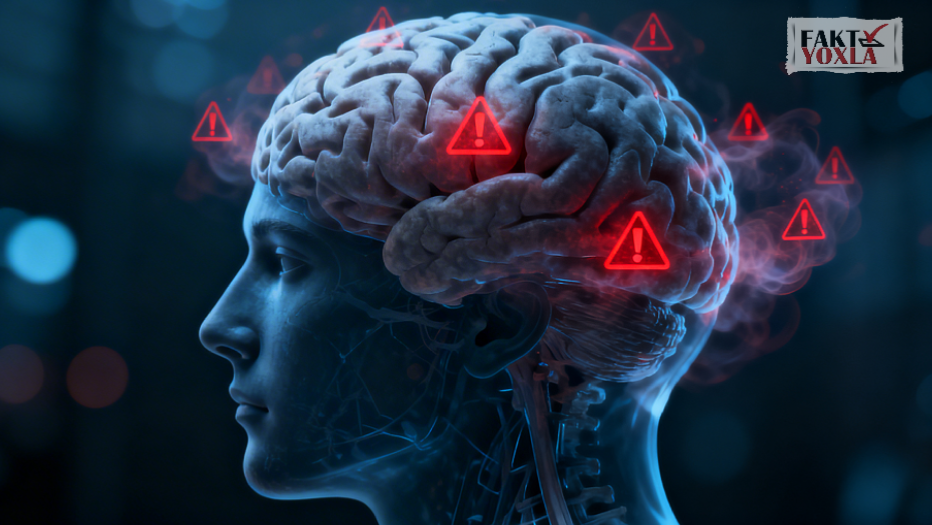
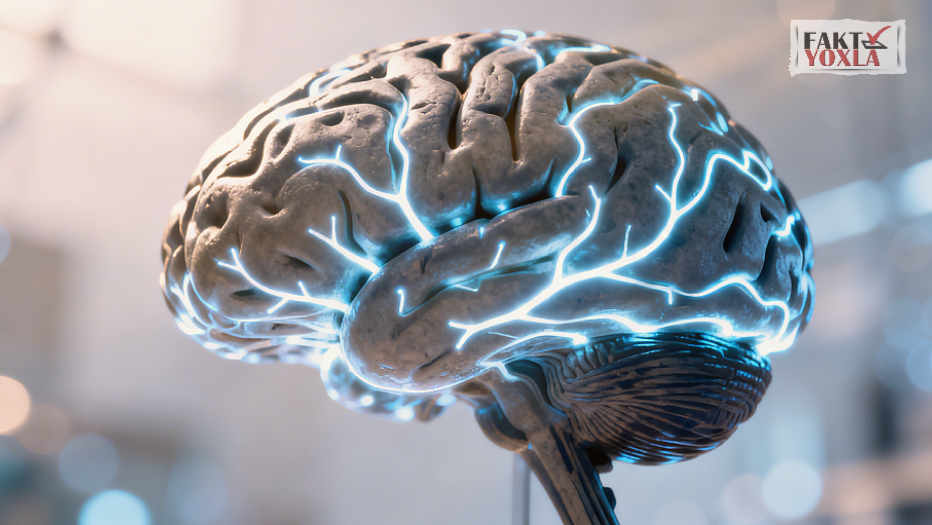
Modern neuroimaging research shows that during general anesthesia, the brain continues to function — but its activity changes. Communication between different brain regions is disrupted, cortical activity decreases, and most importantly, the brain loses its ability to form a unified conscious experience.
The brain does not "switch off." It simply stops assembling sensations, thoughts, and signals into the feeling of "I am here, right now."
At the same time, the vital centres responsible for heartbeat, breathing, and blood pressure continue to operate normally.
The Main Types of Anesthesia
General anesthesia Complete loss of consciousness. Used for the majority of serious and lengthy surgical procedures.
Regional anesthesia A large area of the body is numbed — for example, the lower half during childbirth or operations on the limbs.
Local anesthesia Sensation is blocked in a specific, limited area — for example, during dental procedures.
Sedation A state of medically induced relaxation and drowsiness. The patient can respond to the physician's voice but experiences no anxiety or pain.
The Four Main Myths About Anesthesia
Myth 1 "Anesthesia is a little death." Death involves the irreversible cessation of brain function. Under anesthesia, the brain remains active, operating in an altered mode. Once the medications are discontinued, normal brain activity is fully restored. Calling this "death" is both medically inaccurate and factually incorrect.
Myth 2 "You might not wake up." According to international medical organisations, the risk of a fatal outcome directly caused by anesthesia is approximately 1 case in 200,000–400,000 operations among healthy patients. This is comparable to the statistical risk of a routine commercial flight. In the vast majority of tragic cases, the cause is the severity of the underlying illness — not the anesthesia.
Myth 3 "Anesthesia damages the brain." To date, there is no scientific evidence that modern anesthetic agents cause brain damage in healthy adults. Temporary effects are possible — drowsiness, mental fog, reduced concentration for several hours or days following surgery. These are fully reversible. The claim that anesthesia "makes you less sharp" has not been confirmed by a single major peer-reviewed study.
Myth 4 "You can hear and feel everything under anesthesia." The phenomenon of intraoperative awareness is real, but rare. According to research by Sebel et al. (Anesthesia & Analgesia, 2004), it occurs in approximately 0.13% of cases — fewer than two instances per thousand operations. Even in these situations, pain is generally not felt, and any recollections are fragmentary. Modern depth-of-anesthesia monitoring systems make it possible to minimise this risk further.
Why People Fear Anesthesia
The fear of anesthesia is predominantly psychological in nature. A person loses control over their own body; the familiar sense of self temporarily disappears; an irrational fear of "not coming back" takes hold. For the brain, any loss of consciousness registers as a threat to survival — even when there is no objective danger.
This is precisely why anesthesia is often perceived as something more frightening than the surgery itself.
What Is Actually More Dangerous — the Surgery or the Anesthesia?

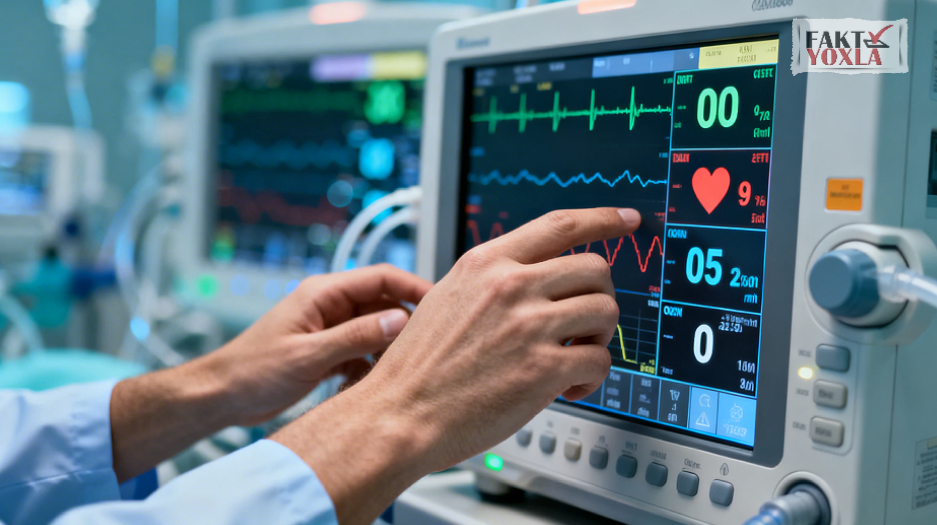
In modern medicine, anesthesia itself is generally far less dangerous than the surgical procedure or the condition it is being used to treat. Throughout the entire operation, the anesthesiologist continuously monitors heart rhythm, blood pressure, blood oxygen levels, breathing, and depth of unconsciousness. The patient is effectively under the constant watch of a medical life-support system.
What Modern Science Concludes

- Anesthesia is not sleep and not death — it is a distinct physiological state.
- The brain does not switch off: it temporarily shifts its mode of operation while preserving all vital functions.
- The state is fully reversible and controllable.
- Modern anesthesia is considered one of the safest procedures in medicine.
- The majority of fears stem not from actual risk, but from the psychological experience of losing control.
Sources
- American Society of Anesthesiologists
- National Institute of General Medical Sciences (NIH)
- Mashour, Hudetz. "Disconnecting Consciousness: Is Anesthesia Reversible?" — Trends in Cognitive Sciences, 2018
- Sanders et al. "Mechanisms of anesthesia" — British Journal of Anaesthesia, 2012
- Sebel et al. "The incidence of awareness during anesthesia" — Anesthesia & Analgesia, 2004
- Royal College of Anaesthetists (UK)