
1. E-Cigarettes Are NOT Safe
E-cigarettes contain chemical substances that are harmful or potentially harmful to health. They are not considered safe products for inhalation. This statement is officially documented by the leading American health regulator—the CDC (Centers for Disease Control and Prevention).
2. They Contain Nicotine, Which Is Highly Addictive

Most vapes contain nicotine—an alkaloid that causes rapid addiction. Many modern devices use nicotine salts, which are absorbed faster than regular nicotine.
- For youth: Nicotine disrupts the formation of neural connections in the developing brain (up to ages 25-26), affecting memory, attention, and impulse control.
- For pregnant women: The substance is toxic to the fetus and can cause serious complications in the child's development.
3. Aerosol (Vapor) Is NOT "Just Water Vapor"
Unlike ordinary steam, e-cigarette aerosol contains:
- Carcinogens: Chemicals capable of causing cancer (for example, formaldehyde, which forms when liquid components break down during heating).
- Heavy metals: Nickel, tin, lead, and chromium. These enter the aerosol as a result of heating and wear of the device's metal coil.
- Toxic flavorings: Substances that are safe for digestion can be dangerous for the lungs (for example, diacetyl, which causes irreversible damage to lung tissue).
4. Risk to Heart and Blood Vessels

Research confirms that vaping has an immediate negative impact on blood vessels. It leads to increased arterial stiffness and elevated blood pressure, which in the long term increases the risk of heart attacks and strokes.
5. Lung Diseases and EVALI
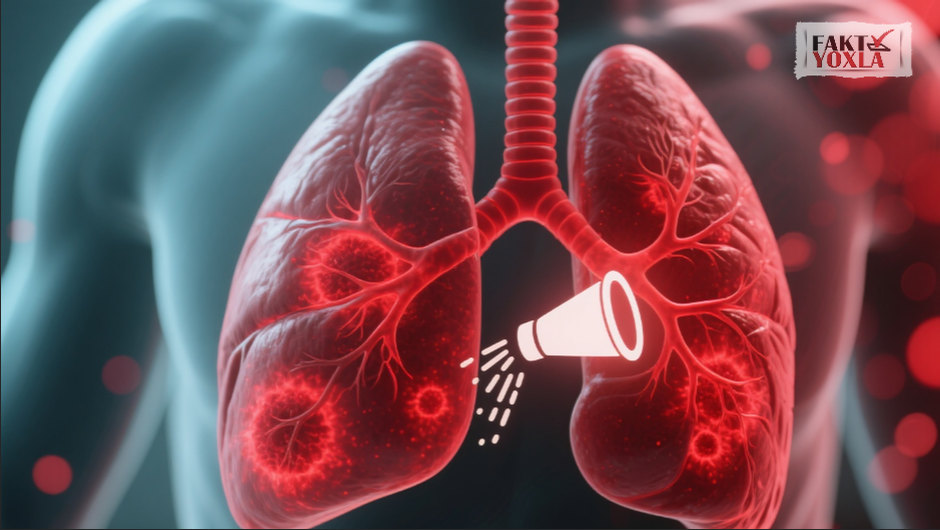
Vaping is directly linked to chronic cough, asthma, and inflammatory processes.
Important clarification: The EVALI outbreak in 2019-2020 (acute lung injury), primarily associated with vitamin E acetate in illicit THC cartridges, demonstrated that the use of certain additives can lead to fatal consequences. However, even standard vape components cause chronic tissue inflammation with regular inhalation.
6. Comparison with Regular Cigarettes: The "Lesser Evil" Trap
The "less harmful" thesis is often used for marketing, but it is deceptive:
- Different spectrum of toxins: Vapes may have fewer tars, but they contain metals and aldehydes that are not present in tobacco smoke.
- Dual use: Combining vaping and cigarettes is the most dangerous scenario, as the toxic impact on the body is cumulative.
- "Gateway" effect: For non-smoking teenagers, vaping becomes a direct path to nicotine addiction and subsequent transition to other tobacco products.
BOTTOM LINE: WHAT SCIENCE SAYS

It's a chemical aerosol, not vapor.
You're inhaling a suspension of fine particulate metals and chemical breakdown products. This is a foreign and aggressive environment for the lungs.
Nicotine causes physical rewiring of the brain.
Nicotine salts in vapes are absorbed faster than nicotine from regular cigarettes, forming a powerful addiction that suppresses cognitive functions at a young age.
Blood vessels suffer from the first puff.
Even a single vaping session causes vascular spasm and impairs their function, creating a foundation for early cardiovascular disease.
Nicotine-free liquids are not harmless.
Products of thermal decomposition of glycerin (such as acrolein and formaldehyde) and chemical flavorings can provoke inflammation and cellular mutations.
Primary Sources:
- CDC — Health Effects of Vaping
- NIH — E-cigarettes linked with blood vessel damage
- American Lung Association — Impact on Lungs
- HHS — Surgeon General's Report on Youth Vaping