
As of 2025, the world's population exceeds 8.1 billion people. According to UN projections, this figure could reach 9.7 billion by 2050, with a historic peak of around 10.4 billion expected in the 2080s. While population growth is slowing, the overall pressure on natural resources continues to rise — driven primarily by increasing consumption per person.
Key fact: today the problem is not so much the number of people on Earth, but how much each person consumes.
Ecological Debt: Happening Now, not in the Future
The critical question is not whether Earth's resources will "run out" anytime soon, but whether humanity is exceeding the sustainable limits of their use. According to the Global Footprint Network, humanity currently consumes approximately 1.7 times more resources per year than the planet can regenerate in the same period.

This imbalance is tracked through the Earth Overshoot Day — the date when humanity's annual biological budget is considered exhausted. In the 1970s, humanity broadly lived within the means of the biosphere. In 2023, Earth Overshoot Day fell on August 2nd; in 2024, on August 1st. For the remaining nearly five months of the year, the global economy runs on the depletion of natural capital — much like a household spending more than it earns and going deeper into debt.
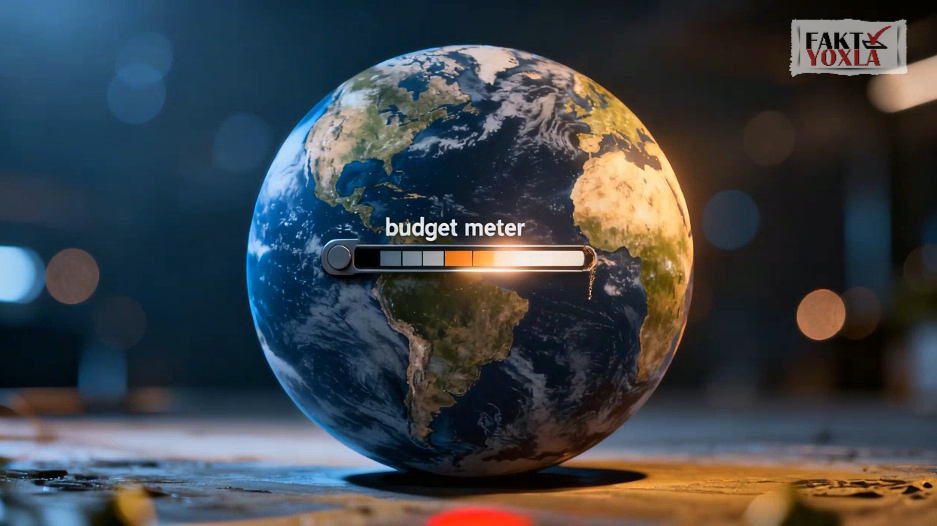
Key point: humanity is already living in ecological overshoot — this is not a forecast; it is a documented reality.
Planetary Boundaries: The Science of Limits
Alongside the ecological footprint concept, there is a scientific framework known as "planetary boundaries," developed by a team of researchers led by Johan Rockström at the Stockholm Resilience Centre. It identifies nine critical Earth systems — from climate and biodiversity to nitrogen cycles and freshwater — that keep life on Earth in balance. According to the most recent assessment (2023), six of the nine boundaries have already been crossed, including climate change, biodiversity loss, and disruption of biogeochemical cycles. This means humanity has moved beyond the "safe operating space" on multiple fronts simultaneously.
Where Scarcity Is Already Being Felt
This is not about the immediate physical disappearance of resources. The problem lies in the mismatch between the rate of consumption and the rate of natural regeneration. The most acute pressure is visible in four areas:
Water. According to the World Resources Institute (WRI), around 2 billion people live under conditions of high or extremely high-water stress — meaning they live in regions where consumption exceeds 40% of available renewable water supplies. By mid-century, under current trends, up to half of the world's population could face this problem.
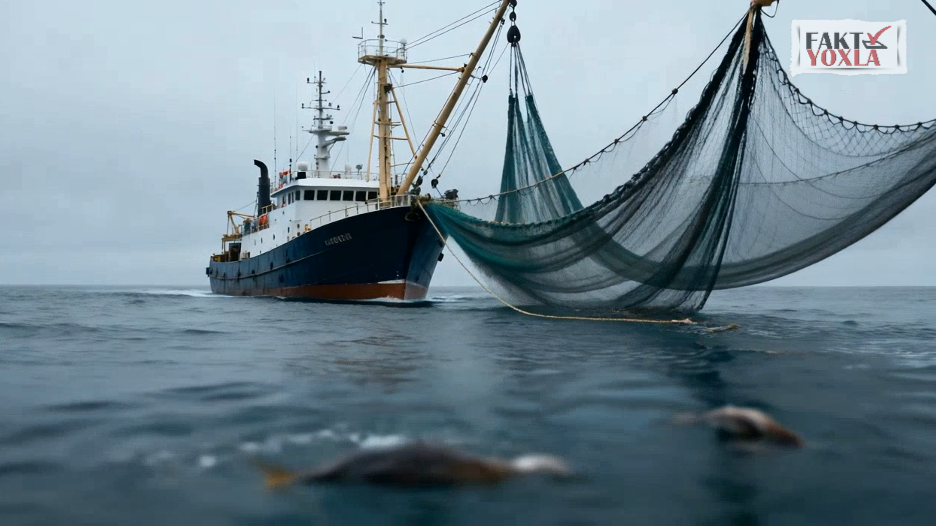
Fish stocks. According to FAO data (SOFIA report, 2022), approximately 35% of the world's marine fish stocks are being exploited at biologically unsustainable levels — caught faster than populations can recover. Another 57% are being fished at the maximum sustainable limit, leaving no buffer.
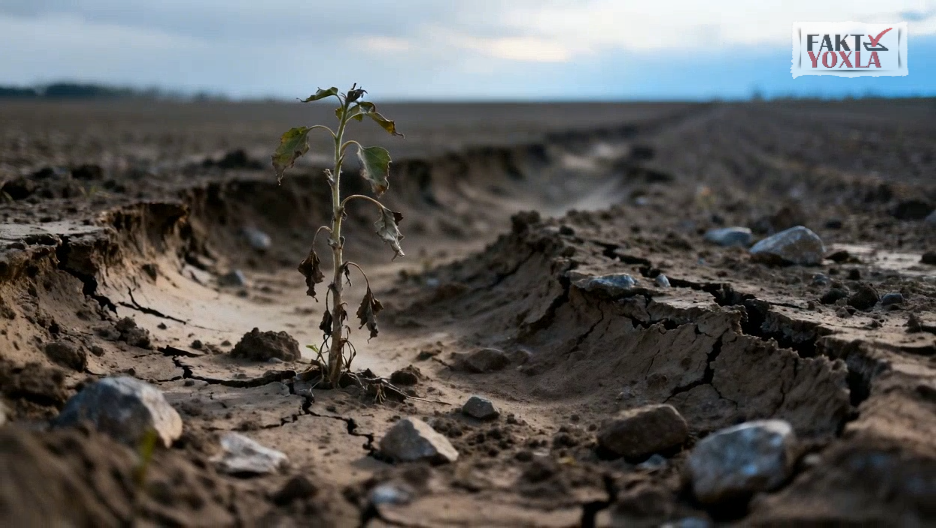
Soils. Soil degradation — erosion, salinisation, loss of organic matter — affects around 33% of the world's agricultural land, according to UN estimates. This directly threatens long-term food security.
Forests and biodiversity. Species extinction rates are currently 100 to 1,000 times higher than the natural background rate. Deforestation, ecosystem degradation, and climate change are acting together in a reinforcing cycle.
Fact: scarcity is already manifesting locally — most visibly in water, fertile soils, and marine resources.
The Inequality of Consumption: Who Bears the Burden?
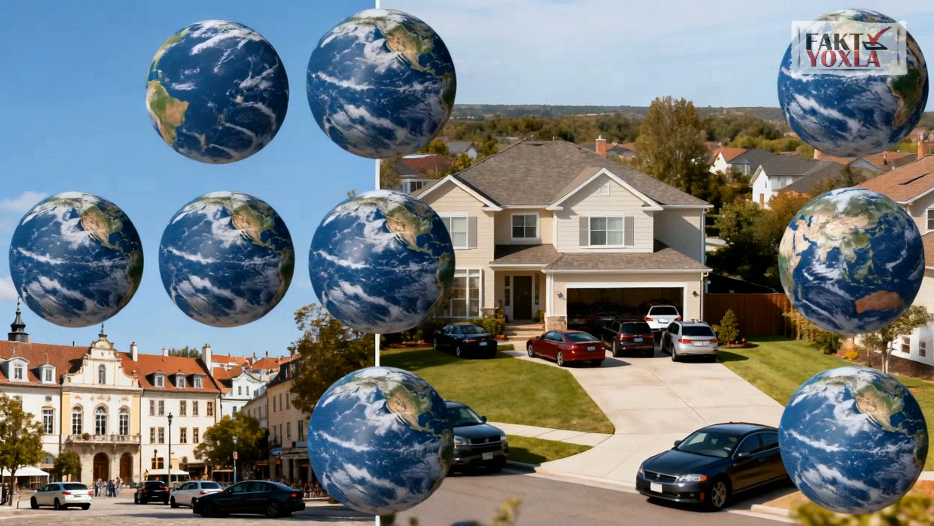
The scale of the problem becomes clearer through a comparison of ecological footprints. If all people on Earth consumed resources at the level of an average EU resident, humanity would need approximately three planet Earths. At the consumption level typical of the United States — around five planets. Even at the current global average, roughly 1.7 Earths are required.
Context matters here: around 1 billion people still live in energy poverty, lacking reliable access to electricity. Global ecological overshoot is driven predominantly by wealthy economies, while the consequences — climate disasters, land degradation, water scarcity — fall disproportionately on poorer nations.
Key conclusion: under the current consumption model, humanity has already exceeded the sustainable capacity of one planet. Yet the contribution to the problem and its consequences are distributed profoundly unequally.
What Science Says About the Path Forward
If current production and consumption patterns continue, the most likely consequences over the 21st century include rising resource costs, intensifying regional water and food shortages, continued pressure on ecosystems, and escalating climate risks. However, most researchers emphasise that this is not a predetermined path to global collapse.

Scenarios from international organisations show that reducing the ecological footprint is possible without a proportional reduction in quality of life. The greatest potential lies in improving energy efficiency, expanding renewable energy, reducing food losses (currently around one-third of all food produced is lost or wasted), transitioning to more sustainable agricultural practices, and shifting consumption patterns in wealthy economies.
Important: the window of opportunity to stabilise the situation remains open — but if current trends continue, pressure on resources will intensify.
Conclusion
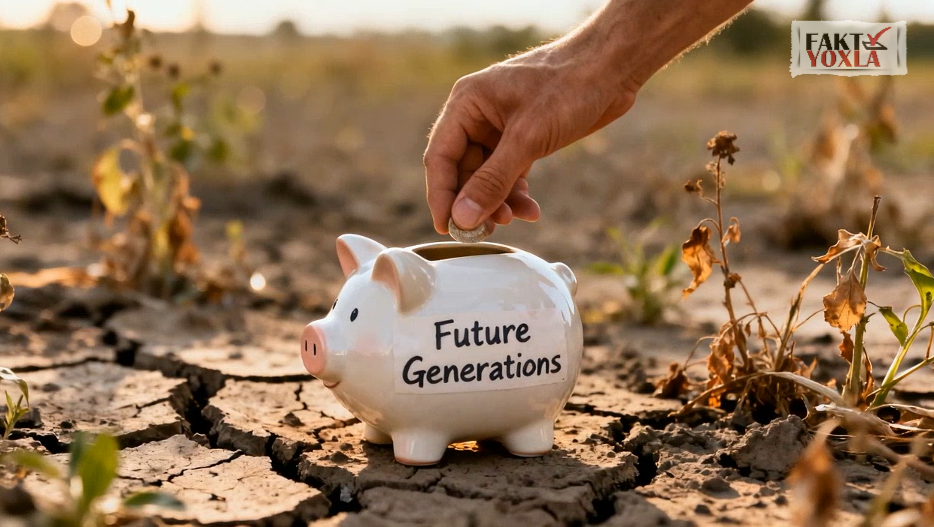
It is more accurate to say not that Earth is "running out," but that humanity has already exceeded the limits of sustainable resource use and is partially living off the resources of future generations. This is not a catastrophic scenario — it is a measurable, documented imbalance with known technical and political solutions. The question is whether there will be sufficient political will and enough time to act on them.
Sources
- United Nations. World Population Prospects
- Global Footprint Network. National Footprint Accounts; Earth Overshoot Day
- FAO. The State of World Fisheries and Aquaculture (SOFIA 2022)
- World Resources Institute. Aqueduct Water Risk Atlas
- Rockström et al. Planetary Boundaries — Science, 2015; updated 2023
- IPCC. Assessment Reports