

Snus and nicotine pouches (nicpaks) are not merely a harmless habit or a "trendy product." This is a smokeless delivery method for nicotine — a psychoactive substance with high addiction potential that enters the body directly.
While its difference from traditional cigarettes lies in the absence of smoke, this does not mean an absence of harm.
Snus and Nicotine Pouches: What Are They?
Snus is a smokeless tobacco-containing product.
Nicotine pouches are its tobacco-free analogue, where synthetic nicotine is applied to a cellulose base.
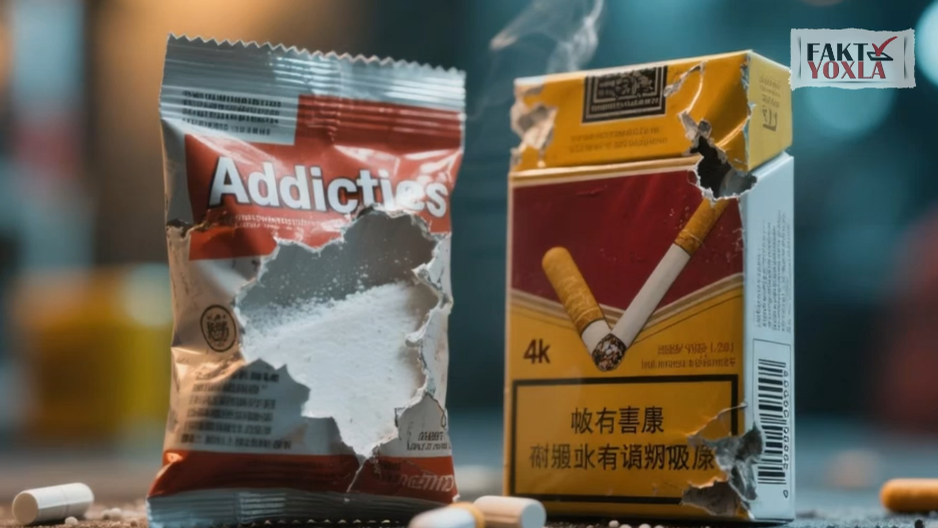
In Both Cases, the Main Active Substance is Nicotine
- A psychoactive substance that creates strong chemical dependency
- Affects the brain's dopamine receptors, reprogramming the reward and pleasure system
In adolescents, nicotine disrupts the development of brain structures, leading to future cognitive impairment and emotional instability.
Why Does Addiction Form Particularly Rapidly?
Unlike traditional cigarettes, modern smokeless products use chemical manipulations:

- Salts are added to pouches to increase pH levels. This enables nicotine to pass directly from the oral mucosa into the bloodstream, delivering an instant "hit" to the brain.
- The amount of nicotine in one pouch can equal the dose of several cigarettes smoked simultaneously.
- The substance remains in the mouth for 20–30 minutes, maintaining peak nicotine levels in the blood longer compared to cigarettes.
Risks and Consequences
1. Effects on Brain and Mental Health
Nicotine "breaks" the brain's areas responsible for attention, memory, and impulse control. In young people, this increases the risk of developing depressive disorders and other addictions in the future.

2. Effects on the Cardiovascular System
As a toxic substance, nicotine causes:
- Persistent spasm of peripheral blood vessels
- Sharp increase in arterial blood pressure
- Excessive strain on the myocardium (heart muscle), creating a risk of early heart attack
4. Irreversible Damage to the Oral Cavity
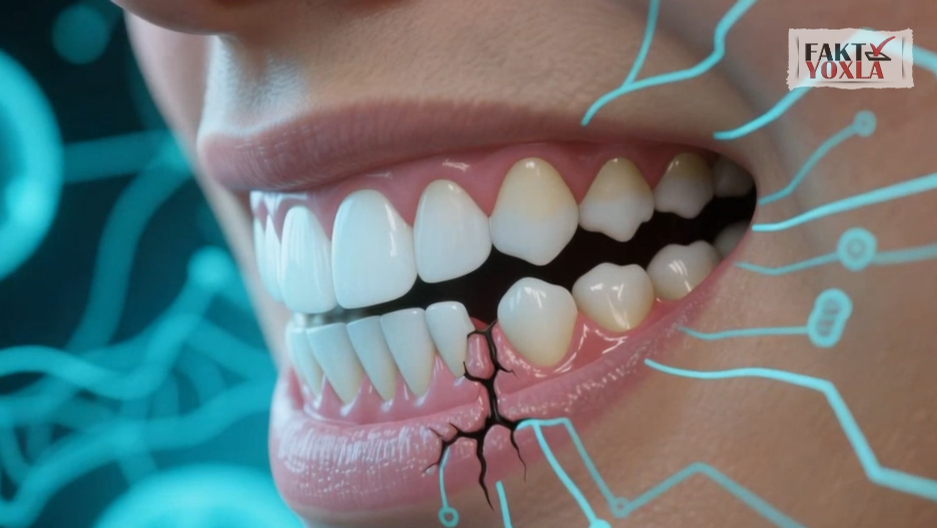
Constant contact with nicotine and alkaline environment results in:
- Gum recession: Gum tissue recedes, exposing the tooth root. This change is often irreversible and requires surgical intervention.
- Leukoplakia: Formation of white patches on the mucous membrane, considered a precancerous condition.
- Oncological Risks
Smokeless tobacco products are rich in specific nitrosamines. Research confirms a direct link between snus use and cancers of the pancreas, esophagus, and oral cavity.
Manipulation of Public Opinion

The marketing of these products is built on "concept substitution":
- Use of terms like "alternative" or "less harmful"
- Use of bright designs and various flavors (fruit, mint) to attract young people
- Creating a false illusion of safety by claiming "no smoke" for those around
Conclusion
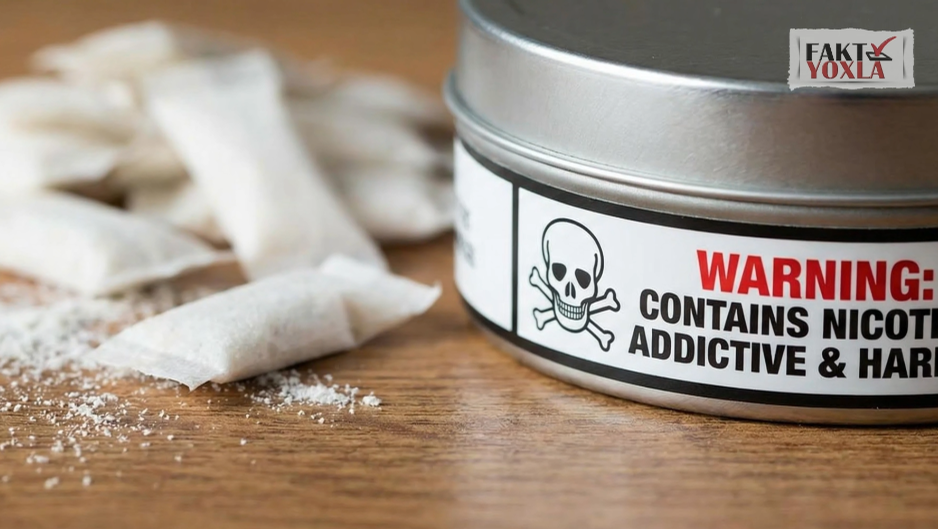
Snus is a means to maintain and strengthen nicotine addiction. It systematically damages the cardiovascular system and creates irreversible consequences in oral cavity tissues. Presenting it as a "smart" substitute for cigarettes is a dangerous misconception leading to health loss.
Sources:
- World Health Organization (WHO) — Key facts about tobacco and nicotine
- WHO Regional Office for Europe — Report on smokeless tobacco and nicotine products
- Centers for Disease Control and Prevention (CDC) — Health effects of smokeless tobacco
- CDC — Nicotine and brain development in youth
- National Institutes of Health (NIH / PubMed) — Effect of snus on oral health (scientific research)
- European Commission — Public health and tobacco policy