

Does sleep affect human hormonal balance and body development?
Claim Being Verified
The quality and duration of sleep affect human hormonal balance, including growth and development processes in children and adolescents.
Conclusion
✅ True. The claim is confirmed by scientific research.
Evidence
1. Impact of sleep on hormonal regulation in adults

Sleep plays a key role in the functioning of the endocrine system. During sleep, the production and circadian rhythm of the following hormones are regulated:
- Cortisol — stress hormone
- Insulin — hormone regulating blood glucose levels
- Leptin — satiety hormone
- Ghrelin — hunger hormone
- Melatonin — circadian rhythm hormone
- Somatotropic hormone (growth hormone)

Scientific reviews show that sleep deficiency disrupts hormonal rhythms, increases cortisol levels, reduces insulin sensitivity, and alters appetite regulation through leptin and ghrelin.
2. Sleep and growth hormone
Somatotropic hormone is predominantly released during the deep sleep phase at night, particularly in the first 2-3 hours after falling asleep (typically between 11:00 PM and 2:00 AM). Peak growth hormone secretion occurs between midnight and 4:00 AM. Insufficient sleep duration or its fragmentation is associated with decreased growth hormone secretion, which can negatively affect tissue repair and metabolic processes.
3. Sleep and circadian rhythms (melatonin)
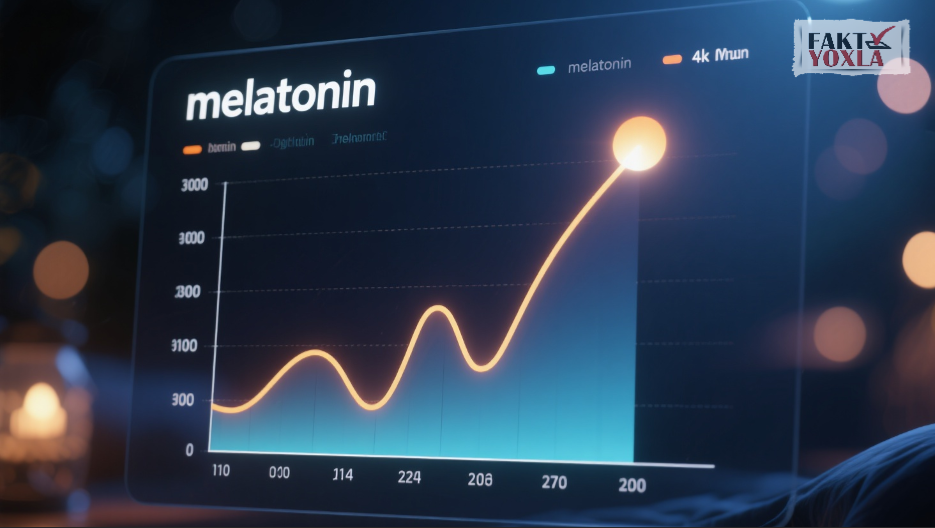
Melatonin regulates biological rhythms and affects the functioning of other hormonal systems. Its production begins with the onset of darkness (typically around 9:00-10:00 PM) and peaks between 2:00 and 4:00 AM.

Exposure to artificial light, especially blue light from device screens in the evening, and disruption of sleep patterns lead to decreased melatonin production and disruption of circadian regulation.
Recommended sleep duration
For optimal hormonal balance, the following sleep durations are recommended:

- Adults (18-64 years): 7-9 hours per day
- Adolescents (14-17 years): 8-10 hours per day
- School-age children (6-13 years): 9-11 hours per day
- Preschoolers (3-5 years): 10-13 hours per day
Optimal sleep time: from 10:00-11:00 PM to 6:00-7:00 AM, when natural circadian rhythms promote maximum production of growth hormone and melatonin.
Impact of sleep on child and adolescent development
4. Sleep and hormonal regulation in childhood
Research shows that in children, sleep duration is associated with levels of hormones involved in energy metabolism and appetite regulation, particularly leptin. Sleep deficiency in childhood is associated with increased risk of metabolic disorders and excess body weight.
5. Sleep and physical development

Since growth hormone is actively released during sleep, its chronic deficiency in childhood and adolescence can affect growth and body recovery processes.
6. Sleep and puberty

Scientific data indicate a connection between sleep duration, melatonin levels, and the regulation of hormonal processes involved in the onset and course of puberty. Sleep disturbances may be associated with changes in the timing of puberty onset; the mechanisms of this connection continue to be studied.
Final Conclusion

✔ Sleep is an important regulator of hormonal balance
✔ Sleep deficiency disrupts the functioning of the endocrine system in adults
✔ In childhood and adolescence, sleep plays a significant role in hormonal regulation, metabolism, and developmental processes
The claim about the impact of sleep on human hormonal balance and development is confirmed by scientific data.

Sources:
- Role of sleep and sleep loss in hormonal release and metabolism — PubMed
- Metabolic and endocrine effects of sleep deprivation — PubMed
- Effects of sleep and sleep deprivation on growth hormone, cortisol and melatonin — PubMed
- Sleep duration and leptin in children — PubMed/PMC
- Experimental manipulation of sleep duration and leptin in children — PubMed
- Sleep duration and pubertal timing — Frontiers in Endocrinology