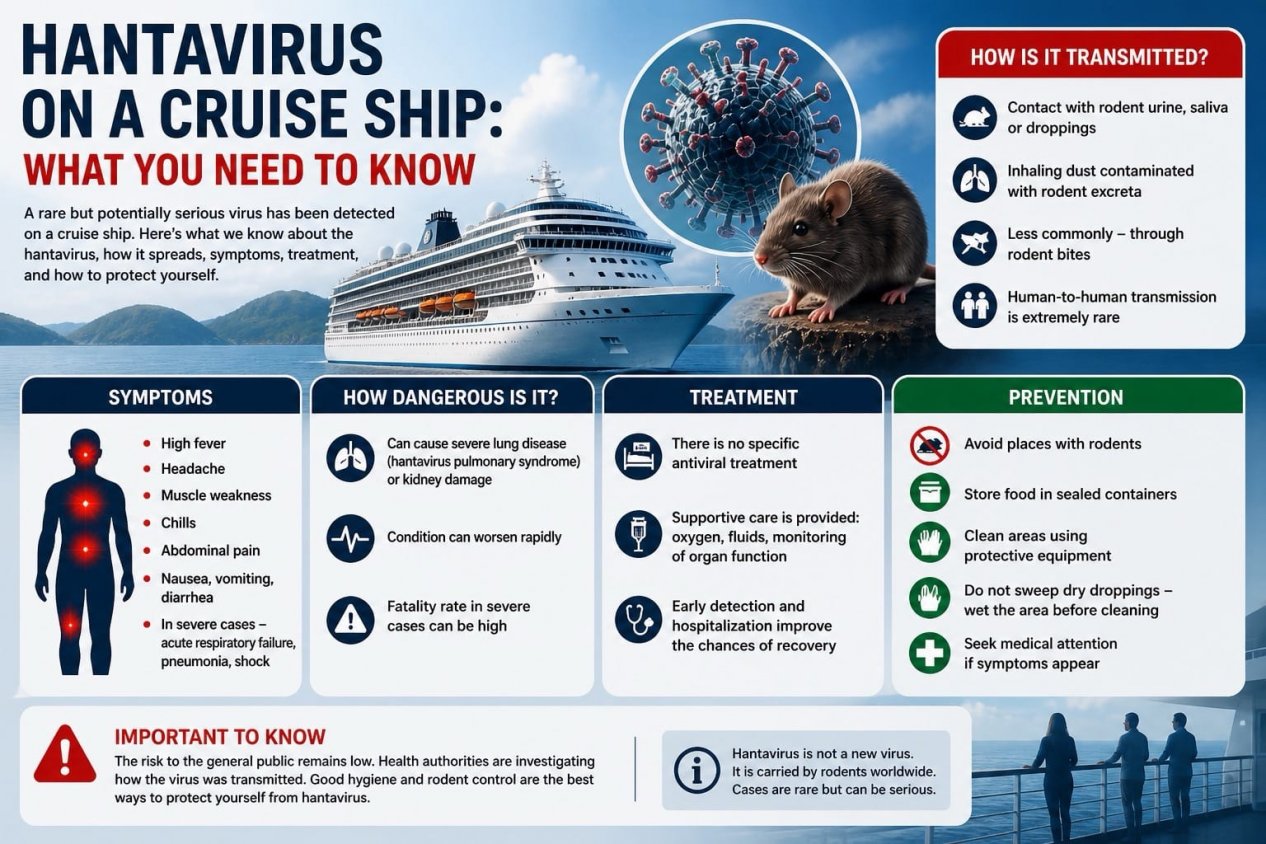
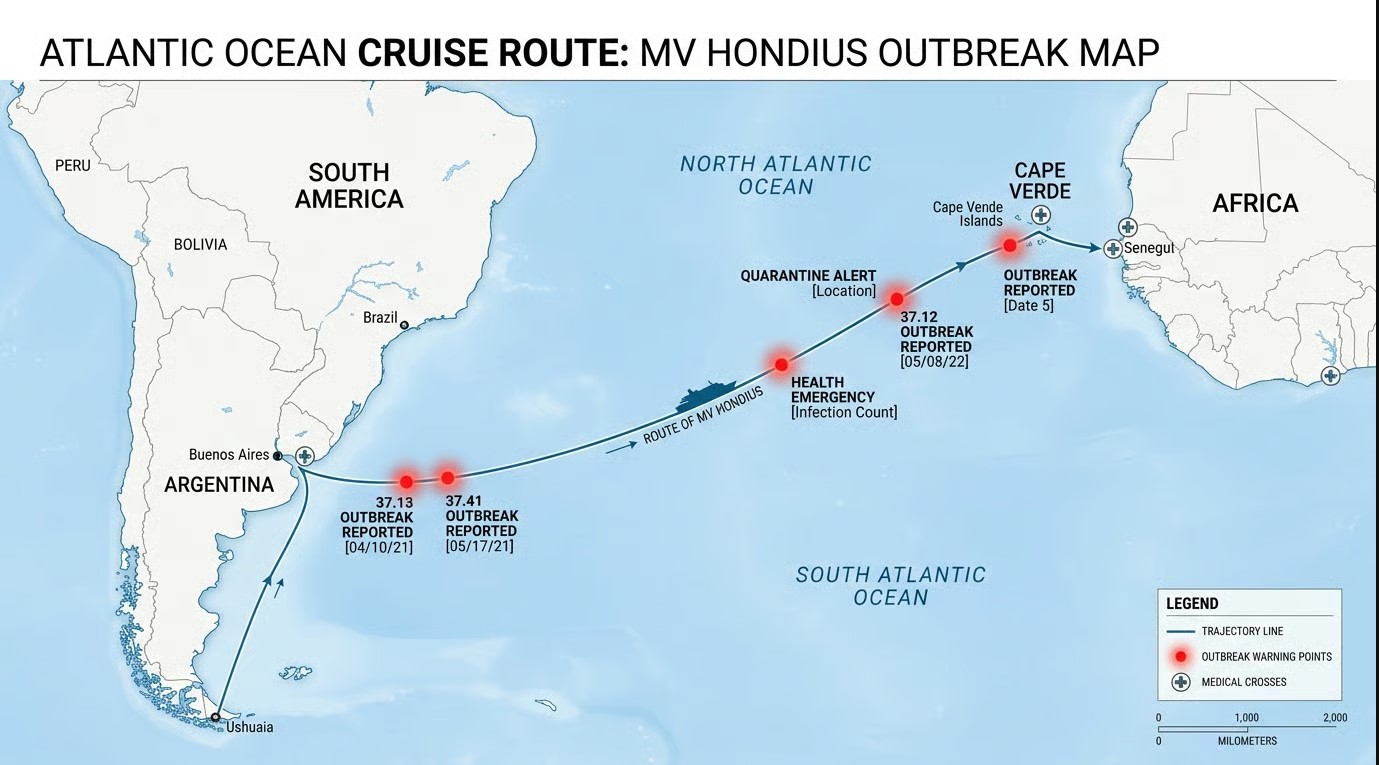
This week, global media attention was drawn to an outbreak of a rare viral illness aboard the cruise ship MV Hondius, located off the coast of Cape Verde. According to the World Health Organization, as of May 4, seven cases had been reported: two were laboratory-confirmed, while five remain suspected. Reports indicate three fatalities, one patient in critical condition, and several passengers experiencing mild symptoms. The investigation is ongoing as authorities work to determine whether the infection occurred onboard, during port stops, or before the voyage began.

Despite alarming headlines, hantavirus is not a new pathogen. It is a group of viruses first extensively studied during the Korean War, when severe cases of hemorrhagic fever with kidney complications were reported among military personnel. Over time, viruses from this family have been identified in different regions of the world. Their natural hosts are rodents, which typically carry the virus without showing symptoms.
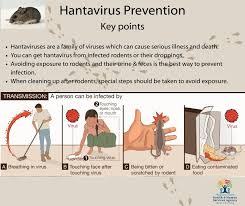
Humans are usually infected through contact with the urine, saliva, or droppings of infected rodents. The most common route of transmission occurs when microscopic particles become airborne and are inhaled during cleaning of contaminated spaces, exposure to infected dust, storage areas, cabins, or other places where rodents may have been present. In rarer cases, infection can occur through bites. Human-to-human transmission is considered extremely rare and has only been documented with certain strains, particularly the Andes virus infection in South America.
One of the dangers of hantavirus is that early symptoms often resemble those of common viral illnesses. The disease frequently begins with fever, headaches, muscle pain, chills, abdominal pain, nausea, or diarrhea. However, in some patients, the condition can deteriorate rapidly within a few days. Severe cases may develop into hantavirus pulmonary syndrome, a life-threatening condition that can cause acute respiratory failure, pneumonia-like symptoms, low blood pressure, and shock. In other regions, another form of the disease may primarily affect the kidneys. Fatality rates vary depending on the viral strain and can be high in severe cases.

There is currently no specific antiviral treatment for hantavirus. Medical care is primarily supportive and may include oxygen therapy, intensive care, intravenous fluids, and monitoring of organ function. Early diagnosis remains critical, as prompt hospitalization significantly improves the chances of recovery.
Amid the cruise ship headlines, health officials emphasize that the risk to the general public remains low. The World Health Organization has stated that it currently sees no indication of a broader global threat. Investigators are focusing on whether passengers may have encountered rodents during stops in remote natural areas or potentially onboard the vessel itself.
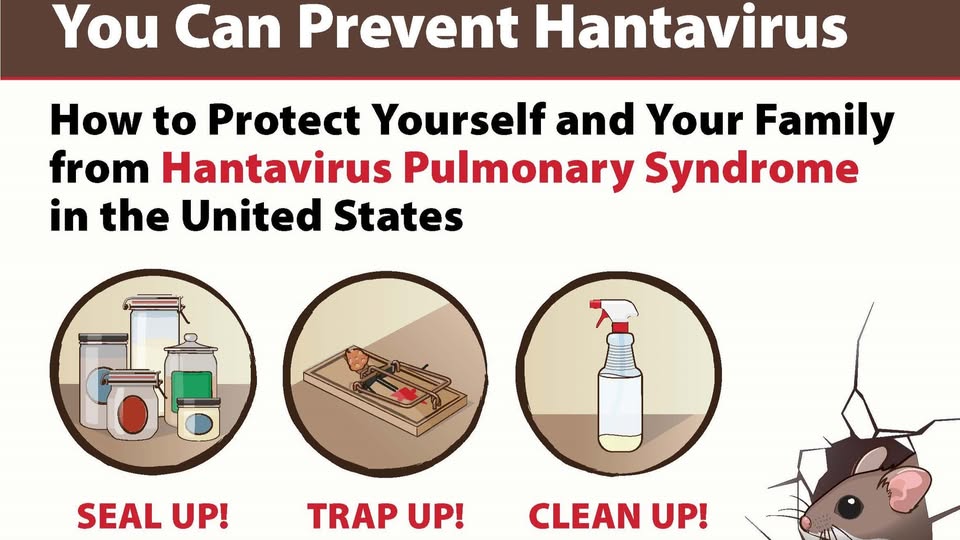
Prevention primarily focuses on reducing contact with rodents. Health experts recommend avoiding areas with signs of mice or rats, storing food in sealed containers, maintaining proper sanitation, and using protective equipment when cleaning potentially contaminated spaces. Experts also advise against sweeping dry rodent droppings, as this can release infected particles into the air. Instead, surfaces should be disinfected before cleaning.