
Despite presenting himself as a campaigner against corruption and a human rights defender, while also portraying himself at times as a climate activist and philanthropist, Frank Schwabe's public image differs significantly from the picture that emerged in our previous investigation. In that study, we examined evidence that, in our view, challenged the narrative he has cultivated over the years.
(Frank Schwabe's mask of hypocrisy - Part I)
This second study focuses on additional aspects of his activities, including allegations concerning undeclared financial assets, as well as his reported links to organizations associated with George Soros and various lobbying networks.
In an interview published by the official Bundestag media outlet on November 14, 2011, Schwabe described his upbringing and family background. According to him, his parents were ordinary, hardworking people. He said that his father worked for 35 years in several coal mines, often taking double shifts, and was forced into early retirement at the age of 50 after losing a finger in a workplace accident. (Based on this account, it would appear that his father began working at around the age of 15 – editor's note.)
Schwabe also stated that he was the only member of his family to attend a gymnasium (secondary school), adding that very few people from his region completed that level of education.
Recalling his childhood, Schwabe said: "Every morning when I went to school, there was a poor man sitting on my path. For me, that person was a symbol of injustice."
According to Schwabe, poverty should have no place in a prosperous country such as Germany. (bundestag.de)
He also explained that one of the main reasons he took more than a decade to complete his university education was not academic failure, but the introduction of tuition fees during that period.
Taken together, these personal reflections, alongside our broader assessment of Schwabe's career based on his own statements and publicly available information, provide grounds for concluding that the combination of a difficult childhood, psychological hardship and the environment in which he was raised may have contributed to shaping what we consider his calculating, ambitious and financially driven character.
In the first article dedicated to Frank Schwabe, we documented what we described as repeated attempts by him and members of his team to conceal, modify, manipulate or, when necessary, remove information about themselves from digital platforms. However, as our investigation progressed, we identified additional information that proved considerably more difficult to obscure.
Among the materials we examined was a document discovered on the so-called "Darknet." According to that document, Frank Schwabe's assets were estimated at approximately $3 million in 2023, increasing to around $5 million in 2024.
At first glance, such figures may not appear extraordinary for a senior Western politician. However, after comparing those estimates with the financial declarations and transparency reports that Schwabe submitted to the Parliamentary Assembly of the Council of Europe (PACE) regarding his income and professional activities, a substantially different picture emerged.
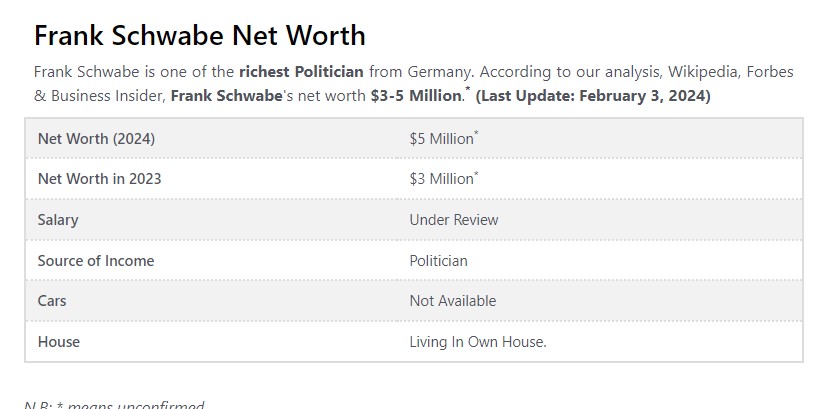
Our calculations indicate that even if Schwabe had not spent a single euro of his official salary between 2016 and 2025, his accumulated wealth would still have fallen well short of the reported figures. Based on available income data, his total earnings over that ten-year period amounted to approximately $1.8 million (around €1.58 million).
This naturally raises the question:
Where could the remaining funds have originated?
Mysterious trips to Iraq
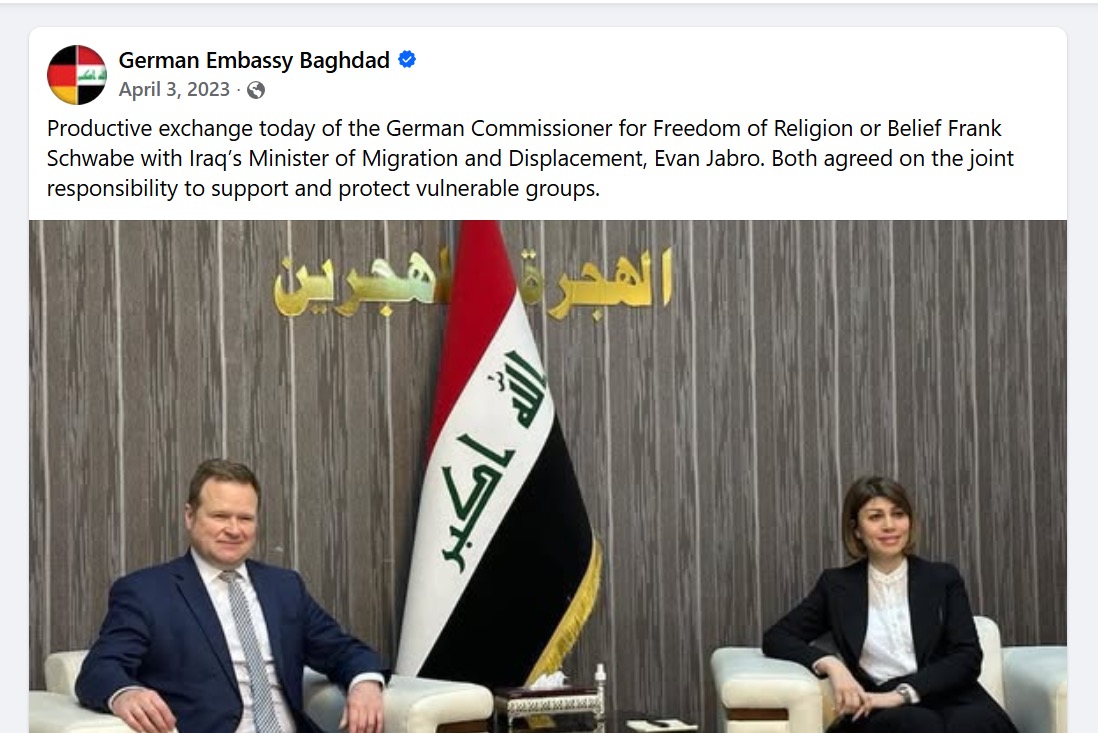
In April 2023, the German Embassy in Iraq announced on its Facebook page that Frank Schwabe had met with Iraq's then Minister of Migration and Displacement, Evan Jabro. According to the embassy, their discussions focused on assistance for vulnerable groups within Iraqi society.
Given that, during the past two months, Iraqi authorities have launched extensive anti-corruption operations targeting dozens of senior officials, politicians, parliamentarians and business figures suspected of involvement in large-scale corruption schemes, we considered it appropriate to take a closer look at Evan Jabro's background.
Although Jabro was not among those arrested during the latest anti-corruption campaign, reports indicate that in August 2023—approximately three months after the meeting with Schwabe—Iraqi parliamentarian Vian Dakhil formally accused Jabro of bribery linked to widespread corruption within the Ministry of Migration and Displacement. According to those reports, more than 50 members of parliament signed a petition seeking Jabro's questioning before parliament. The allegations reportedly concerned irregularities involving the ministry's food basket program, internally displaced persons' camps, and the distribution of financial grants.
During the same visit to Iraq, Schwabe also traveled to the Kurdistan Region, where he held meetings with several senior regional officials.
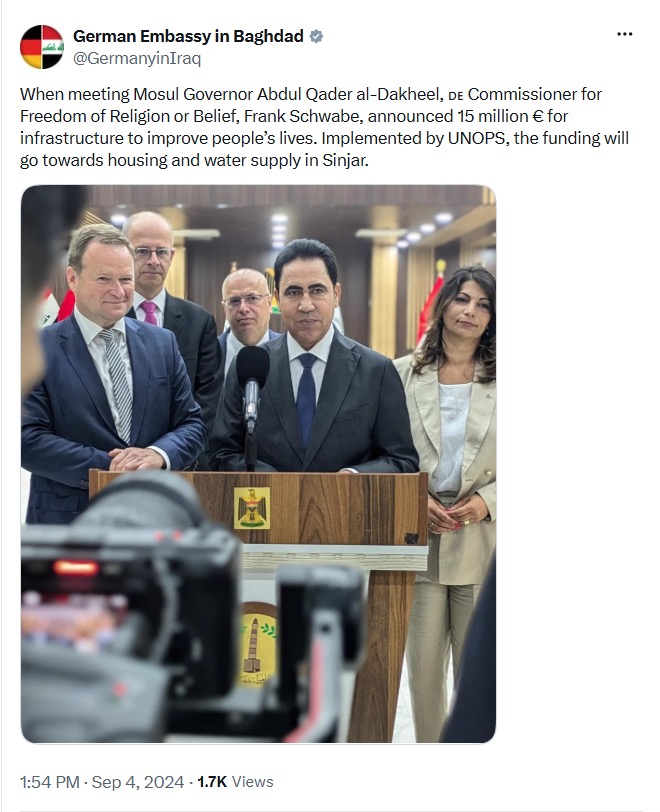
Later, according to information published by the German Embassy in Iraq on the social media platform X in September 2024, Schwabe announced during a meeting with the governor of Mosul that €15 million would be allocated to improve infrastructure in the city of Sinjar.
It should also be noted that since 2014, Germany has provided more than €3 billion in financial assistance to Iraq as one of the country's major international donors.
The extensive anti-corruption campaign currently underway in Iraq illustrates the scale of alleged embezzlement involving foreign aid and state-funded projects. Against this backdrop, and considering the investigations involving numerous public officials and political figures, questions arise regarding the reasons behind Frank Schwabe's sustained interest in Iraq.
Furthermore, the timing of his visits to the country coincides with the reported increase in his personal assets during 2023 and 2024, a circumstance that, in our assessment, raises additional questions about whether those developments may be connected to the broader corruption cases currently under investigation in Iraq.
Indirect ties to Soros
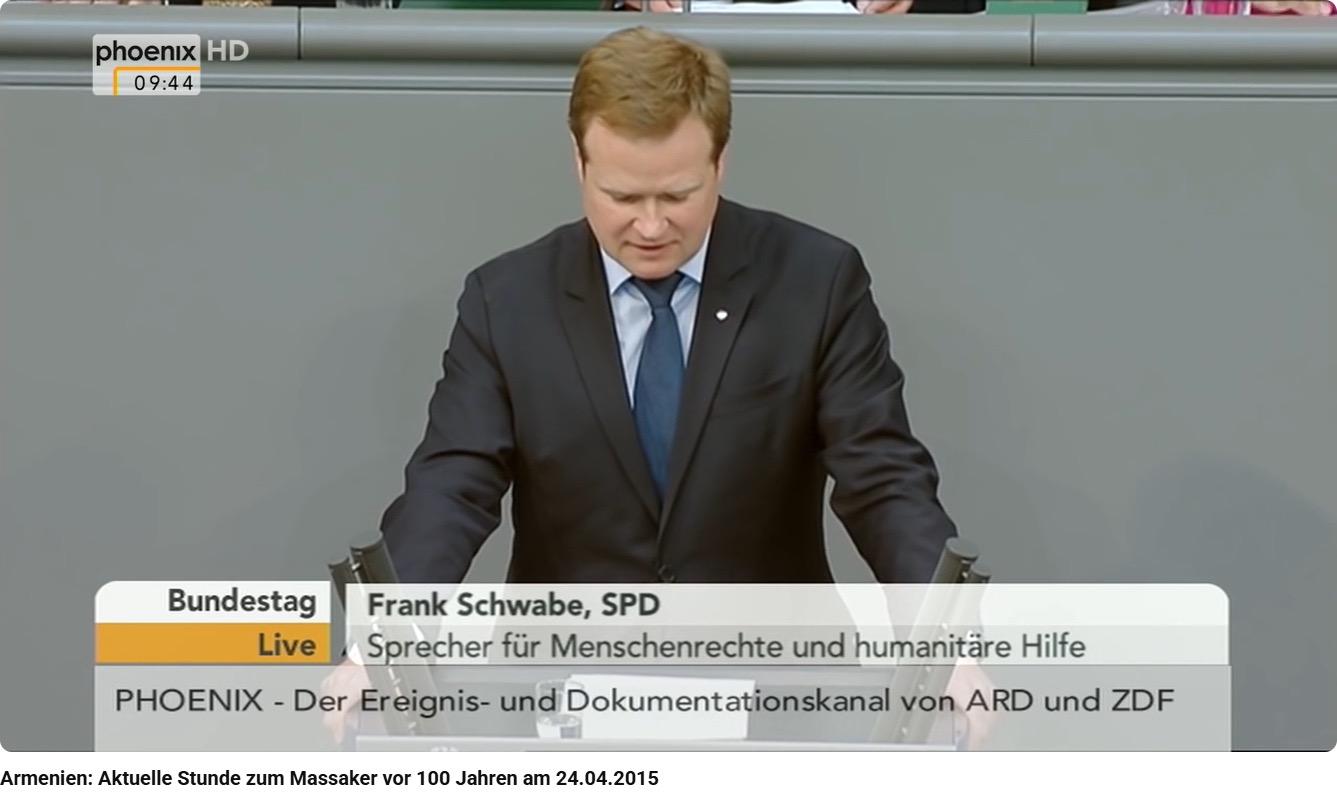
Frank Schwabe, one of approximately 630 members of the German Bundestag, first drew attention in relation to the South Caucasus on April 24, 2015, when he called for the recognition of the events of 1915 during a speech in parliament. Although the speech did not alter the official position of the German government toward Türkiye, the article argues that Schwabe's primary objective was to strengthen his standing among circles critical of Türkiye and Azerbaijan and to build political capital within those networks. From that point onward, his political positions increasingly focused on Ankara and Baku, evolving into what the article describes as a policy of geopolitical selectivity conducted under the banner of human rights and democratic values.
During the early years of his political career, Schwabe was primarily known as an activist focusing on climate change and environmental issues. His public image was largely built around ecological advocacy. Over time, however, he shifted his attention toward human rights, apparently concluding that this field offered greater political influence as well as broader institutional and international opportunities.
According to the article, the extensive access provided by European institutions—including international networks, projects, funding opportunities and media visibility—enabled Schwabe to use human rights less as a universal principle than as a political instrument.
One of the central figures in understanding this transition is Schwabe's fellow Social Democratic Party (SPD) member Christoph Strässer.
For many years, Strässer was responsible within the SPD for issues relating to human rights and so-called political prisoners, while also serving in the Council of Europe. Schwabe reportedly viewed him not only as a senior political colleague but also as a mentor, eventually inheriting many of the political responsibilities and international networks that Strässer had developed.
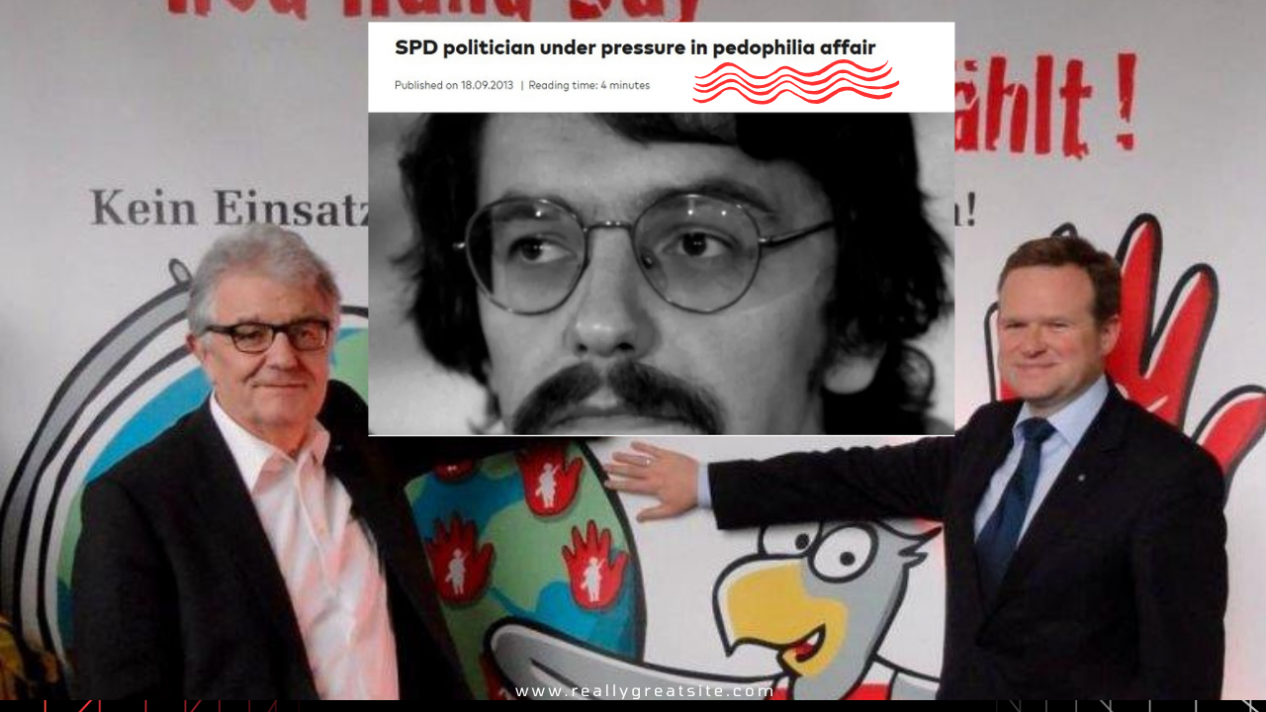
By the time Schwabe emerged as a leading figure on these issues, Strässer's own political reputation had been seriously damaged. His past statements expressing liberal—and, according to critics, at times even encouraging—positions regarding pedophilia became the subject of widespread media attention in Germany in 2013, significantly undermining his public standing.
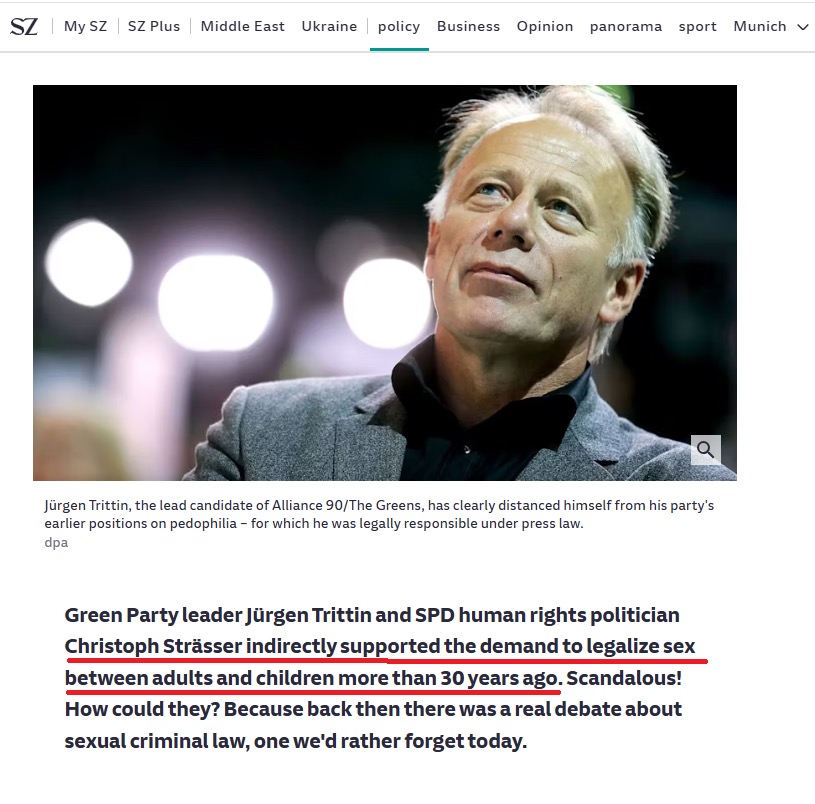
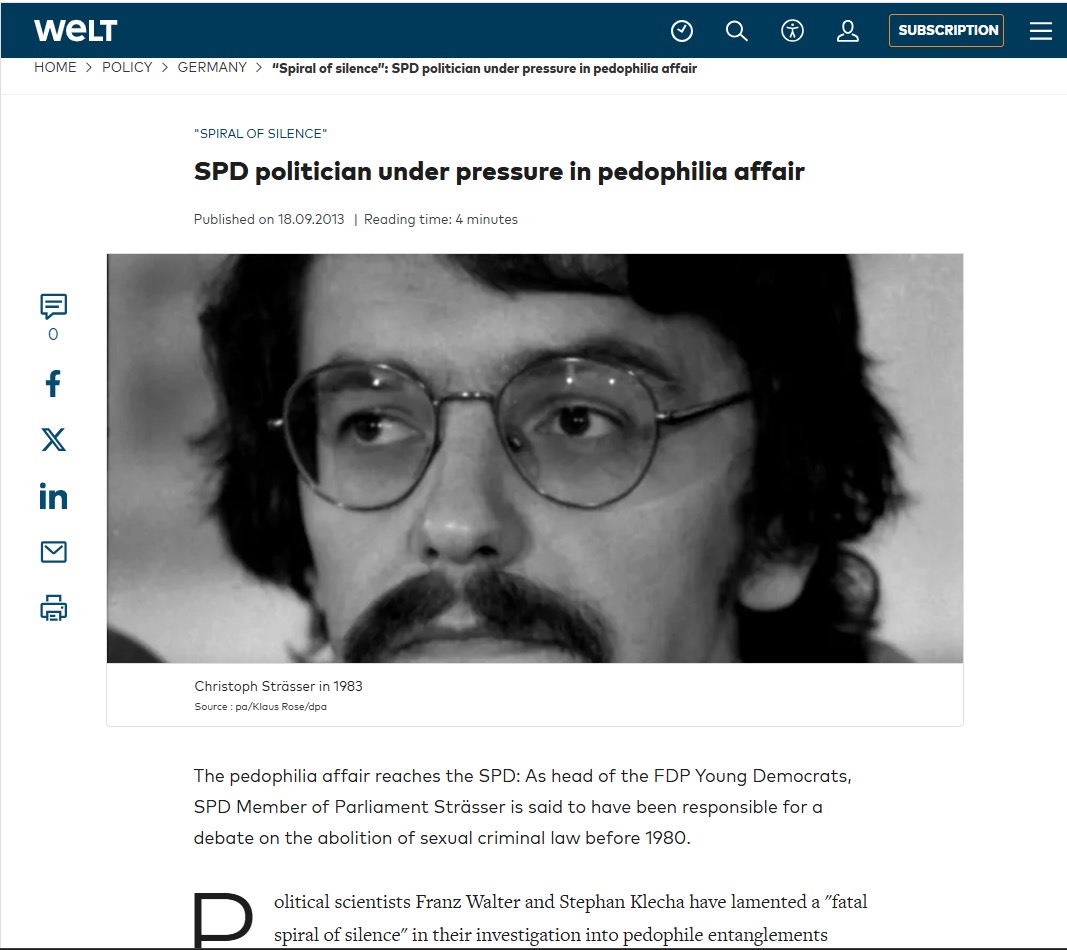
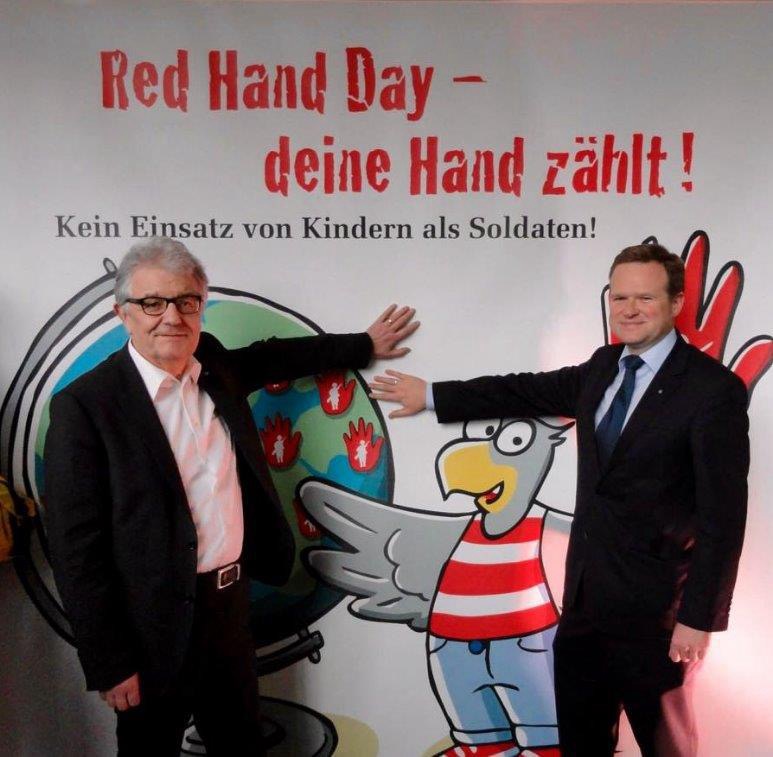
Even his appearance alongside Schwabe during an event in the Bundestag marking the UN Red Hand Day, observed annually on February 12 to raise awareness of the use of child soldiers, failed to repair his damaged reputation.
According to the article, Strässer nevertheless required a successor capable of continuing the political agenda and networks he had established. Schwabe, described as ambitious, “idealistic” and willing to adopt firm geopolitical positions under the language of “human rights”, was presented as the ideal candidate.
The gradual transfer of responsibilities relating to human rights, political prisoners, the South Caucasus and Türkiye from Strässer to Schwabe within both the Bundestag and the Parliamentary Assembly of the Council of Europe (PACE) is presented as evidence that an established political network simply continued operating under a new representative.
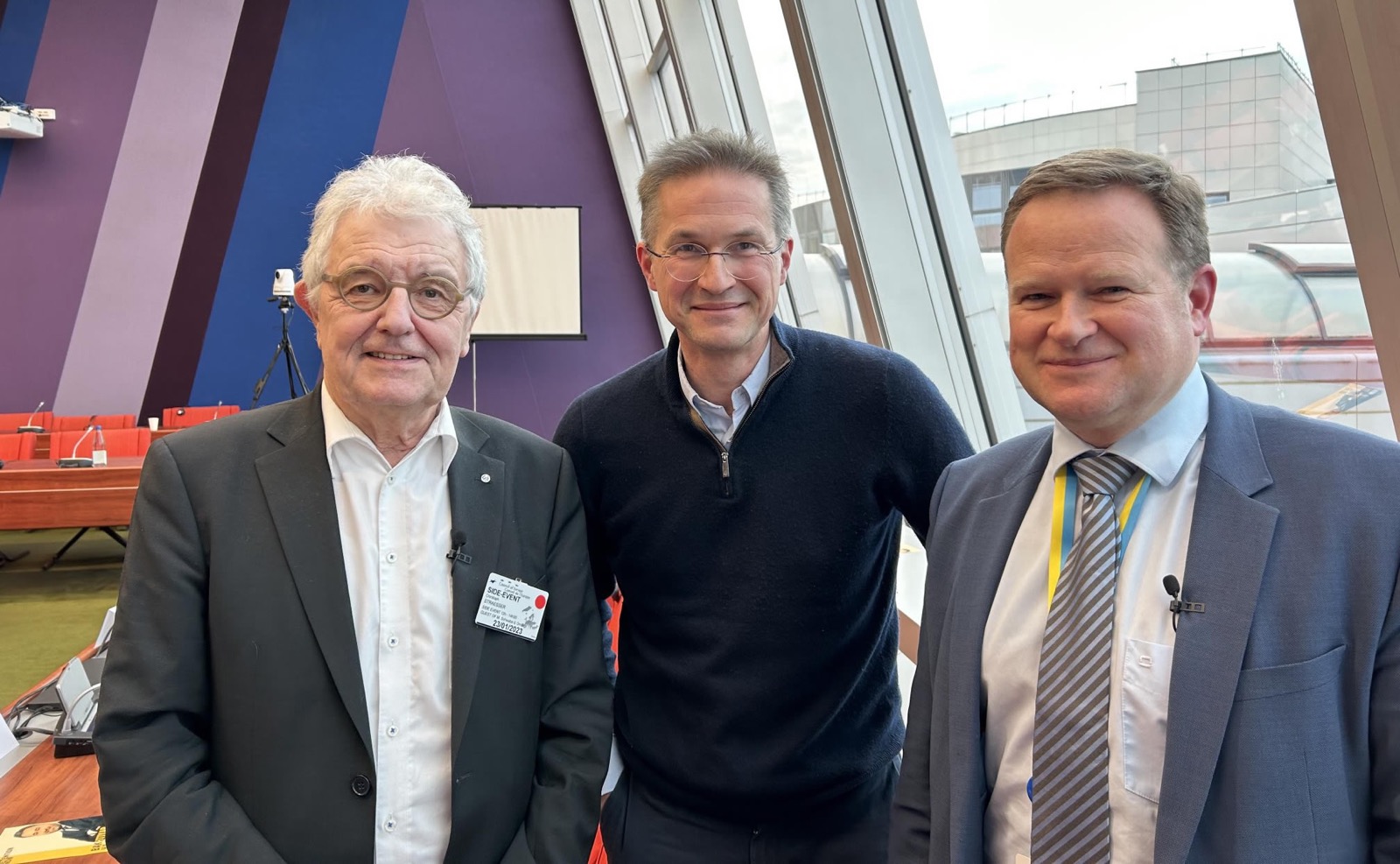
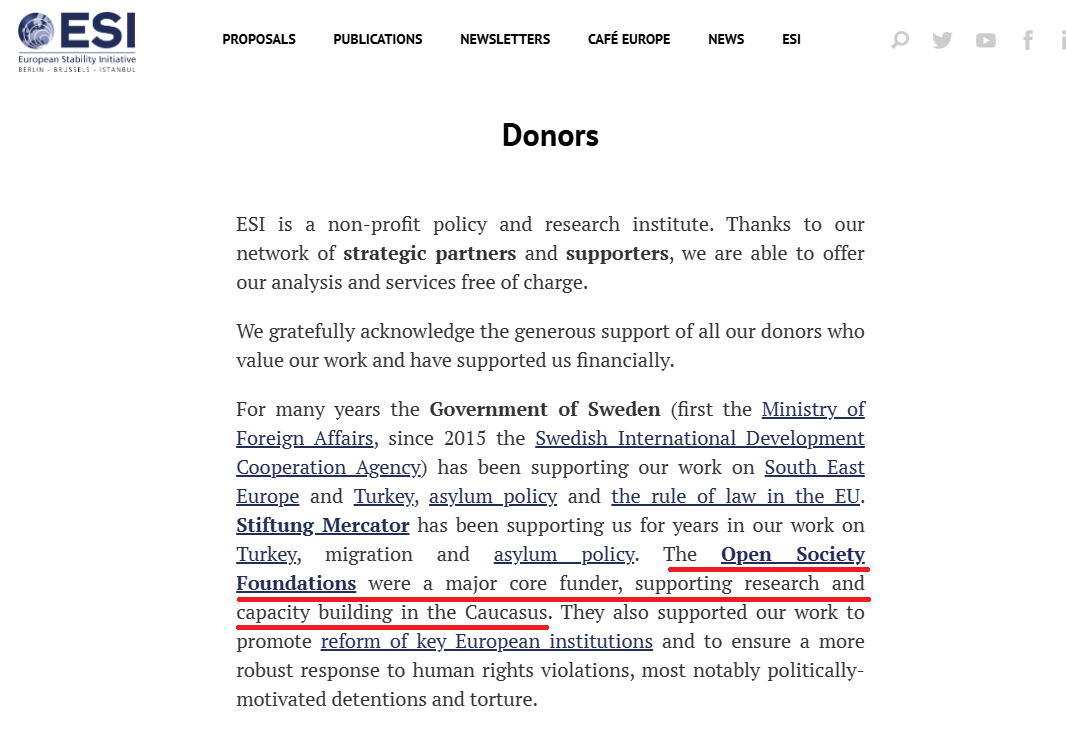
Another prominent figure associated with this network is Gerald Knaus, an Austrian political analyst and close associate of Schwabe.
Knaus founded the European Stability Initiative (ESI), a think tank that the article describes as closely connected to networks associated with George Soros. According to the article, Knaus played an active role in maintaining and expanding initiatives previously developed together with Strässer, with Schwabe becoming one of the principal political figures advancing those efforts.
When Schwabe’s Soros structures, liberal think tanks, “victims of the regime,” and “political prisoners” narratives are combined, the same pattern emerges: formally human rights, but in reality, political activism with selective, geopolitical goals, and dirty money.
One of the relationships that the article identifies as particularly significant concerns Lyudmila Kozlovskaya, a Ukrainian activist and president of the Open Dialog Foundation (ODF).
Kozlovskaya became the center of political controversy in 2018, when Poland's Internal Security Agency reportedly raised serious concerns regarding the financing of the Open Dialog Foundation and other undisclosed matters connected with the organization.
As a consequence, the Polish authorities decided in late August 2018 to deport Kozlovskaya and declared her persona non grata within the Schengen Area.
According to the article, several Polish state media outlets subsequently described her as a foreign agent with links to George Soros as well as oligarchic networks in Eastern Europe.
The article further notes that information available within the European Parliament allegedly indicates that Kozlovskaya holds a Russian passport and has connections with the Russian Navy. It also cites reports published by EU Today, which claimed that she maintained links with Russian intelligence structures.
The actions taken by the Polish authorities reportedly prompted a strong reaction from Frank Schwabe.
Criticizing Warsaw's decision, Schwabe stated: "It is unacceptable for Poland to prevent a meeting between members of the Bundestag and a human rights activist."
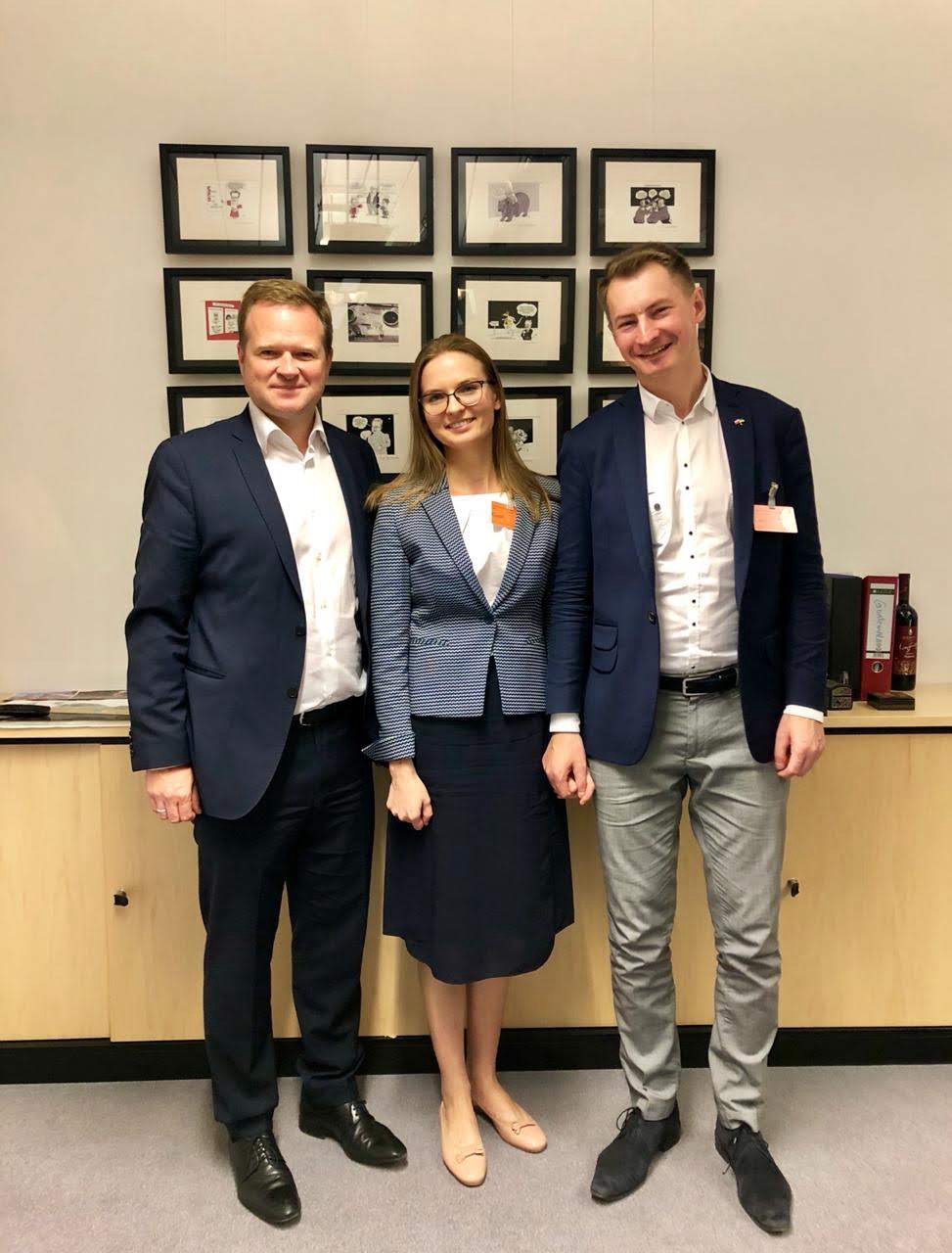
Following those remarks, Schwabe, together with Bundestag member Andreas Nick, invited Kozlovskaya to Germany.
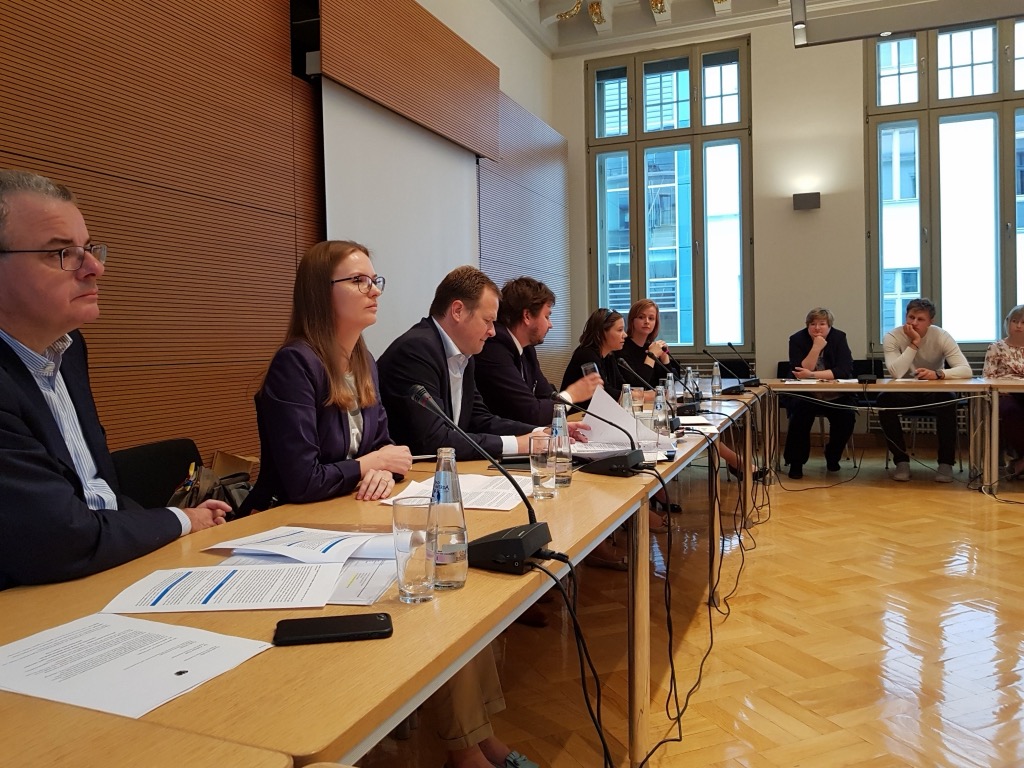
Despite the restrictions placed upon her entry into the Schengen Area, the German Embassy in Ukraine issued her a short-term visa, enabling her to travel to Germany. On September 14, 2018, Kozlovskaya addressed an event organized by Frank Schwabe in the Bundestag.
The purpose of highlighting these events, according to the article, is not to revisit the controversy surrounding Kozlovskaya herself, but rather to illustrate what it characterizes as Schwabe's broader network of associates operating under the language of “democracy”, “freedom” and “human rights”.
The article further argues that one reason Kozlovskaya may have been considered an important partner for Schwabe was her close relationship with Mukhtar Ablazov, the former Kazakh banker and oligarch who has been the subject of international allegations involving money laundering, corruption and other financial crimes.
According to the article, Ablazov continues to possess significant financial resources and relies on politicians, human rights activists and lobbyists to protect both his personal interests and his assets abroad.
Within this framework, figures such as Lyudmila Kozlovskaya and Bota Jardemali are described as human rights advocates, while politicians including Frank Schwabe are portrayed as providing political support. (eureporter)
Relations with the Armenian lobby
Frank Schwabe's reported ties to Armenia and Armenian lobbying circles were examined in two reports titled "Armenian Relations Network," published in 2017 by analysts at the European Center for Strategic Intelligence and Security (ECIS). One of the reports' co-authors was Claude Moniquet, a journalist and former officer of France's external intelligence service, the General Directorate for External Security (DGSE).
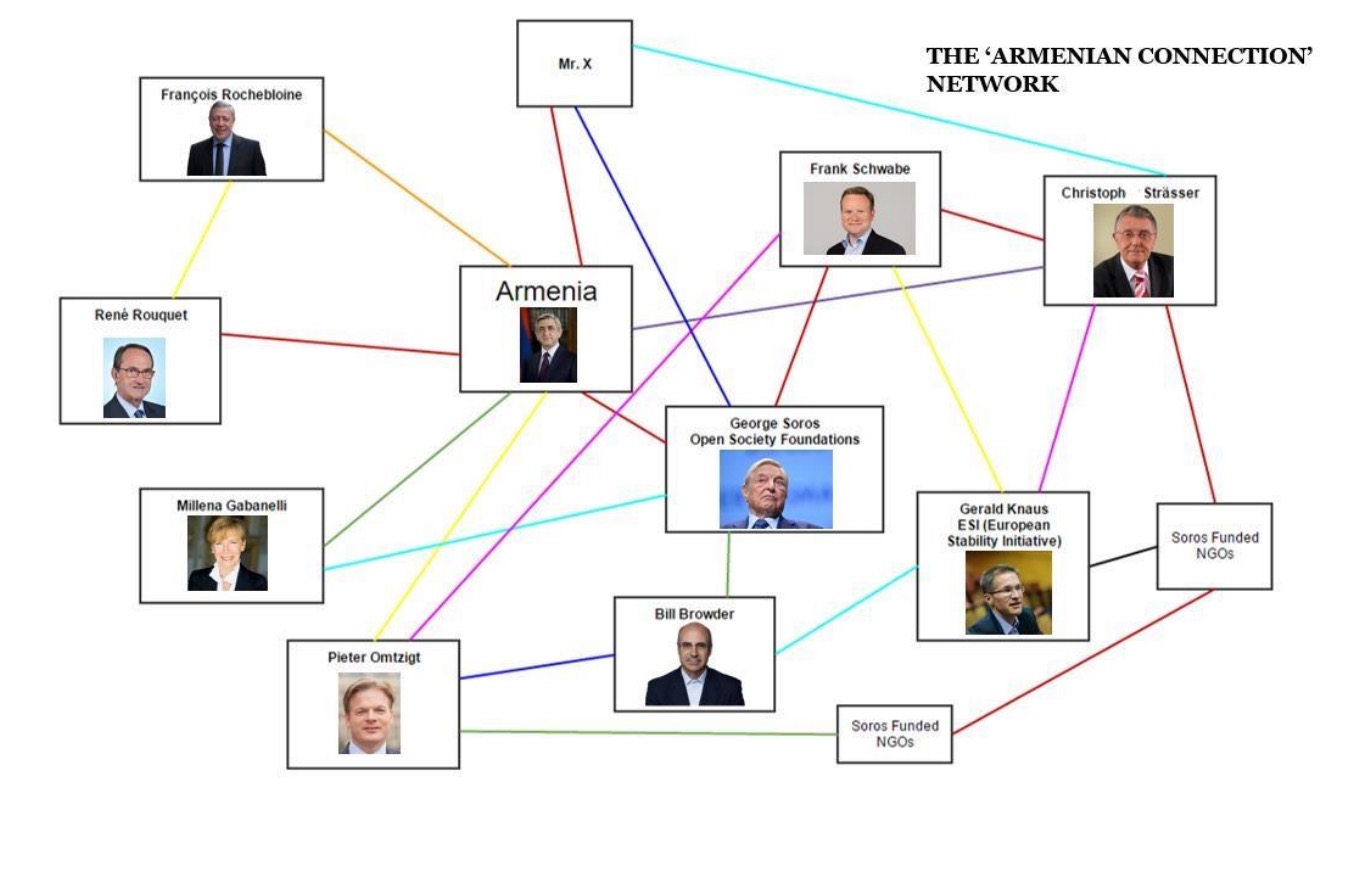
According to the article, Schwabe initially sought to keep his contacts with Armenian organizations out of the public eye following the publication of these reports. Over time, however, those connections became increasingly visible. The principal Armenian organization with which he is said to have cooperated is the Central Council of Armenians in Germany (Zentralrat der Armenier in Deutschland – ZAD). The article argues that the organization's cooperation with Schwabe became particularly evident between 2022 and 2026, while noting that from the end of 2023 onward, his engagement with ZAD became increasingly regular and systematic.
The Central Council of Armenians in Germany is the country's largest umbrella organization representing secular Armenian associations, communities and regional organizations operating throughout Germany.
Although ZAD describes itself in its charter as a politically neutral and non-partisan organization, the article claims that it has consistently engaged in lobbying activities and public campaigns directed against Azerbaijan, while seeking to influence German political discourse, including the positions of Bundestag members such as Frank Schwabe. According to the article, the repeated appearance of Schwabe's arguments and political positions in ZAD's official events, public statements and lobbying initiatives suggests that he became one of the organization's most prominent political advocates.
Over the years, ZAD has established what the article describes as a strong institutional and political network within Germany. Its chairman, Jonathan Spangenberg, is presented as one of the Armenian community's most active public figures, regularly participating in media appearances, conferences and lobbying activities. In his capacity as chairman of ZAD, Spangenberg has also met with Schwabe in the Bundestag and, according to the article, has played an important role in facilitating Schwabe's contacts with representatives of the Armenian community.
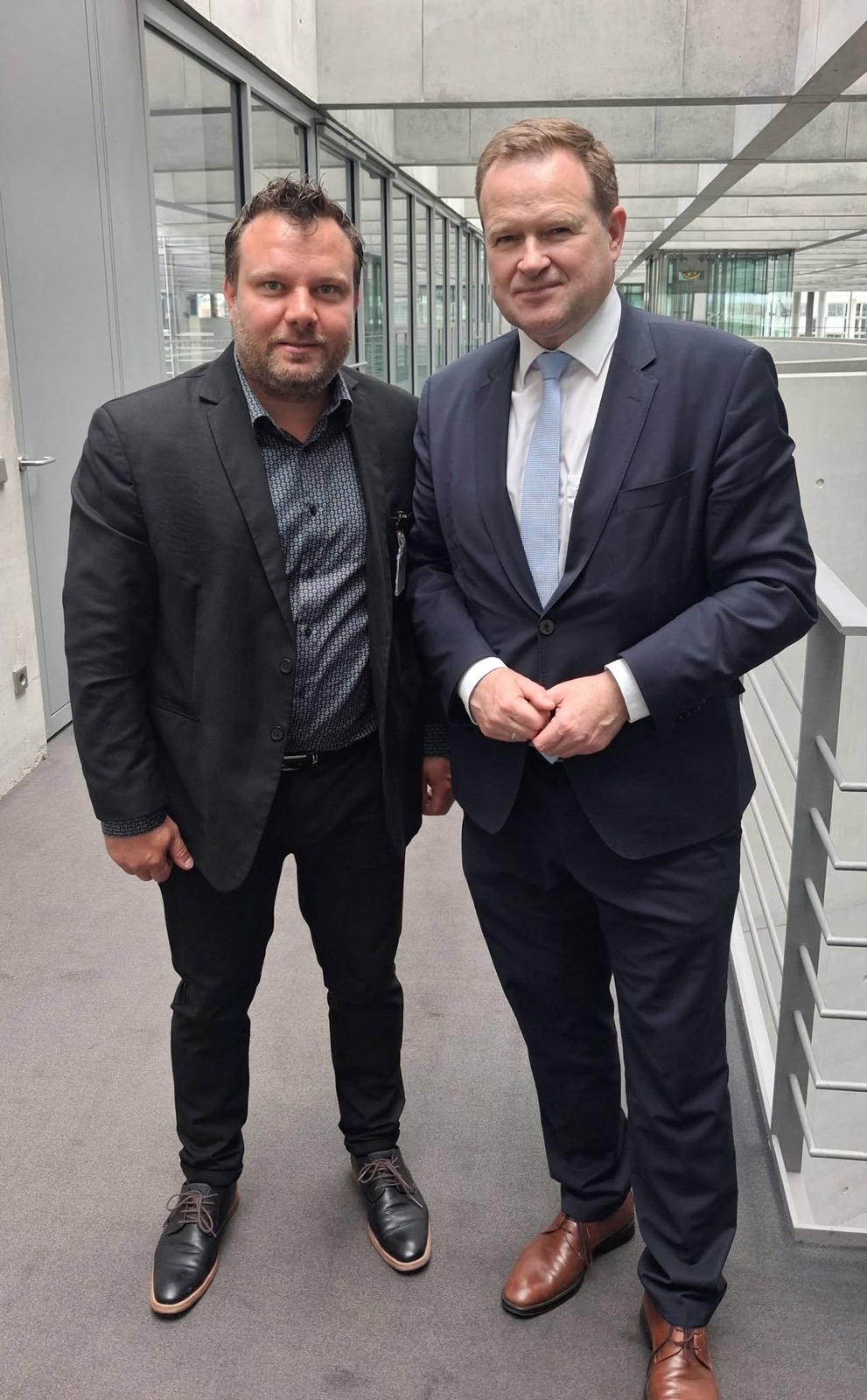
The article further argues that a comparison between Schwabe's public statements and ZAD's official positions reveals more than ordinary political solidarity. It contends that many of the arguments advanced by the organization were subsequently echoed by Schwabe in his political activities, indicating a close alignment between the two.
In conclusion, the article argues that Frank Schwabe has misused the authority, privileges and responsibilities entrusted to him by using the language of human rights and democratic values to advance geopolitical objectives, while allegedly providing political cover for financial misconduct and contributing to mechanisms of external political influence.
It can be said with certainty that Frank Schwabe, who has always been guided by the Council of Europe's human rights conventions, the PACE code of ethics and the rules of conduct established for deputies by the German Bundestag, and who has systematically trampled on the principles of transparency in his activities, will end up like Strasser, who is remembered in German political history as a supporter of pedophilia.
Find the original article here